
Über / About
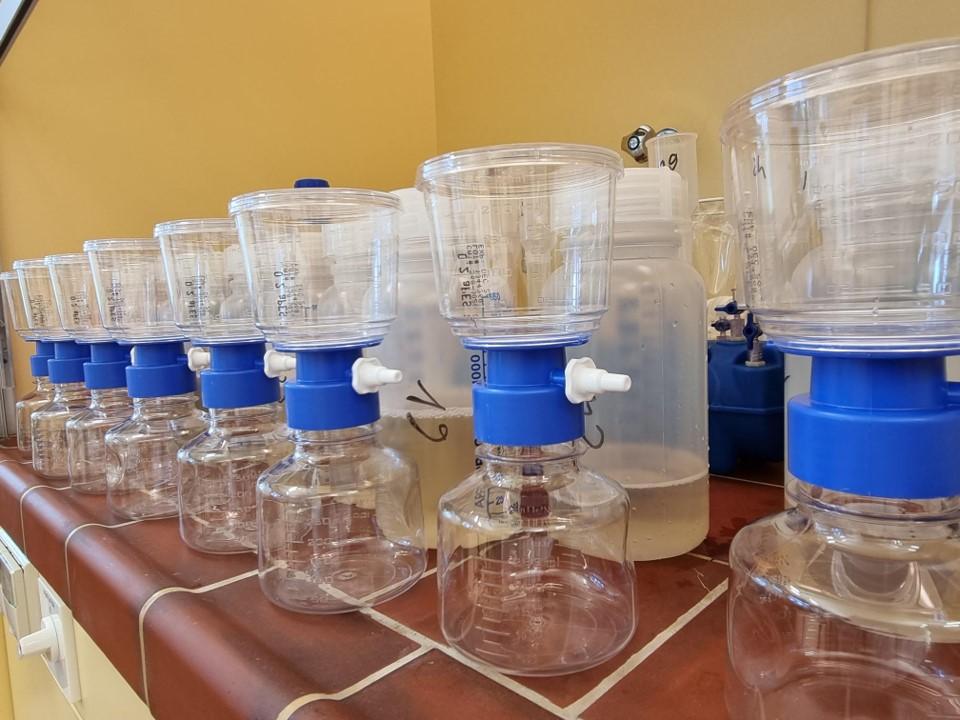
Environment, Health and Applied Bioanalytics – EHaB
Umwelt verstehen. Biologische Reaktionen messen. Gesundheit schützen.
Die Forschungsgruppe Environment, Health and Applied Bioanalytics (EHaB) untersucht, wie Umweltbedingungen Mikroorganismen, biologische Systeme und die Gesundheit von Ökosystemen beeinflussen.
EHaB verbindet Umweltmikrobiologie, Molekularbiologie und angewandte Bioanalytik, um biologische Reaktionen auf natürliche und anthropogene Einflussfaktoren zu untersuchen. Besondere Schwerpunkte liegen auf Wasser, Biofilmen, mikrobiellen Gemeinschaften, biologischen Umweltindikatoren und Fragestellungen im Kontext von One Health.
Durch die Verknüpfung biologischer Messungen mit modernen analytischen und datenbasierten Ansätzen entwickelt EHaB neue Methoden zur Charakterisierung, Überwachung und Bewertung von Umwelt- und Gesundheitssystemen.
Umwelt → Biologische Reaktion → Bioanalytische Messung → Gesundheit & Ökosystem
Understanding environments. Measuring biological responses. Protecting health.
The Environment, Health and Applied Bioanalytics (EHaB) research group investigates how environmental conditions influence microorganisms, biological systems and ecosystem health.
EHaB combines environmental microbiology, molecular biology and applied bioanalytics to study biological responses to natural and anthropogenic influences. Particular emphasis is placed on water, biofilms, microbial communities, biological environmental indicators and One Health-related questions.
By linking biological measurements with advanced analytical and data-driven approaches, EHaB develops new methods for the characterization, monitoring and assessment of environmental and health systems.
Environment → Biological Response → Bioanalytical Measurement → Health & Ecosystems
Forschungsbereiche / Research Areas
Umweltmikrobiologie & One Health / Environmental Microbiology & One Health
Mikroorganismen sind zentrale Bestandteile nahezu aller Ökosysteme. Gleichzeitig können sie als Indikatoren für Umweltveränderungen dienen und eine wichtige Rolle für die Gesundheit von Menschen, Tieren und Ökosystemen spielen.
EHaB untersucht mikrobielle Gemeinschaften, umweltrelevante und pathogene Mikroorganismen sowie antimikrobielle Resistenzen in verschiedenen Umweltsystemen. Ein besonderer Schwerpunkt liegt auf aquatischen Lebensräumen und den Schnittstellen zwischen Umwelt und Gesundheit.
Im Sinne des One-Health-Konzepts werden Umwelt, Mensch und Tier dabei nicht als getrennte Systeme betrachtet, sondern als Bestandteile eines miteinander verbundenen biologischen Systems.
Microorganisms are fundamental components of virtually all ecosystems. At the same time, they can serve as indicators of environmental change and play an important role in the health of humans, animals and ecosystems.
EHaB investigates microbial communities, environmentally relevant and pathogenic microorganisms, and antimicrobial resistance in different environmental systems. Particular emphasis is placed on aquatic environments and the interfaces between environment and health.
Following the One Health concept, environmental, human and animal health are not regarded as separate systems but as components of an interconnected biological system.
Wasserqualität & aquatische Systeme / Water Quality & Aquatic Systems
Wasser ist eines der zentralen Untersuchungsmedien von EHaB. Die Forschung reicht von mikrobiologischer Wasserqualität und abwasserassoziierten Mikroorganismen bis zur Detektion von Pathogenen, Antibiotikaresistenzen und biologischen Reaktionen auf veränderte Umweltbedingungen.
Ziel ist es, mikrobiologische und bioanalytische Verfahren für ein besseres Verständnis und eine zuverlässige Bewertung aquatischer Systeme zu entwickeln und einzusetzen.
Water is one of EHaB’s central research environments. Research ranges from microbial water quality and wastewater-associated microorganisms to the detection of pathogens, antimicrobial resistance and biological responses to changing environmental conditions.
The aim is to develop and apply microbiological and bioanalytical approaches for a better understanding and reliable assessment of aquatic systems.
Biofilme & Umweltstress / Biofilms & Environmental Stress
Biofilme sind komplexe mikrobielle Gemeinschaften, die auf Veränderungen ihrer Umwelt reagieren und daher wertvolle Modellsysteme für die Untersuchung biologischer Auswirkungen von Umweltstress darstellen.
EHaB untersucht die Reaktionen von Mikroorganismen und Biofilmen auf chemische und physikalische Einflussfaktoren. Dabei werden Veränderungen der Biomasse, der extrazellulären Matrix, des mikrobiellen Stoffwechsels und weiterer physiologischer Parameter mit mikrobiologischen, biochemischen und molekularbiologischen Methoden erfasst.
Biofilms are complex microbial communities that respond to changes in their environment and therefore represent valuable model systems for studying biological effects of environmental stress.
EHaB investigates the responses of microorganisms and biofilms to chemical and physical influences. Changes in biomass, extracellular matrix composition, microbial metabolism and other physiological parameters are analysed using microbiological, biochemical and molecular biological methods.
Angewandte Bioanalytik & mikrobielles Phänotyping / Applied Bioanalytics & Microbial Phenotyping
EHaB entwickelt und nutzt analytische Methoden zur Charakterisierung von Mikroorganismen und biologischen Reaktionen.
Neben klassischen mikrobiologischen und molekularbiologischen Verfahren kommen massenspektrometrische und biochemische Methoden zum Einsatz. Einen besonderen Schwerpunkt bildet die Nutzung von MALDI-TOF-Massenspektrometrie nicht nur zur Identifikation von Mikroorganismen, sondern auch zur Charakterisierung mikrobieller Phänotypen und biologischer Reaktionsmuster.
Damit sollen komplexe biologische Veränderungen in messbare und vergleichbare bioanalytische Signaturen übersetzt werden.
EHaB develops and applies analytical methods for the characterization of microorganisms and biological responses.
In addition to classical microbiological and molecular biological techniques, mass spectrometric and biochemical methods are applied. A particular focus is the use of MALDI-TOF mass spectrometry not only for microbial identification but also for the characterization of microbial phenotypes and biological response patterns.
The aim is to translate complex biological changes into measurable and comparable bioanalytical signatures.
Ökosystemgesundheit & biologische Indikatoren / Ecosystem Health & Biological Indicators
Ein wachsender Forschungsbereich von EHaB beschäftigt sich mit der Frage, wie biologische Reaktionen als messbare Indikatoren für den Zustand von Ökosystemen genutzt werden können.
Mikrobielle Phänotypen, Biodiversitätsdaten und weitere biologische Signale werden mit chemischen, physikalischen und räumlichen Umweltdaten verknüpft. Dadurch sollen anthropogene Belastungen erkannt und Veränderungen von Biodiversität, Ökosystemzustand und Resilienz quantifiziert werden.
Die Integration bioanalytischer Daten mit modernen Sensor-, Fernerkundungs- und datenwissenschaftlichen Ansätzen eröffnet dabei neue Möglichkeiten für ein umfassendes Umweltmonitoring.
An emerging research area within EHaB addresses the question of how biological responses can be used as measurable indicators of ecosystem condition.
Microbial phenotypes, biodiversity data and other biological signals are combined with chemical, physical and spatial environmental information. This approach aims to identify anthropogenic pressures and quantify changes in biodiversity, ecosystem condition and resilience.
Integrating bioanalytical data with modern sensor, remote-sensing and data-science approaches opens new possibilities for comprehensive environmental monitoring.
Methoden & Technologien / Methods & Technologie
Mikrobiologie
Kultivierung und Charakterisierung von Mikroorganismen, mikrobielle Identifikation, quantitative mikrobiologische Verfahren und Biofilmanalysen.
Microbiology
Cultivation and characterization of microorganisms, microbial identification, quantitative microbiological methods and biofilm analysis.
Molekular-biologie
DNA-basierte Detektions- und Charakterisierungs-verfahren, PCR und quantitative PCR sowie molekularbiologische Analyse mikrobieller Gemeinschaften.
Molecular Biology
DNA-based detection and characterization, PCR and quantitative PCR, and molecular biological analysis of microbial communities.
Massenspektro-metrie
MALDI-TOF-MS zur Identifikation von Mikroorganismen sowie zur Analyse mikrobieller Fingerprints und phänotypischer Veränderungen.
Mass
Spectrometry
MALDI-TOF-MS for microbial identification and for the analysis of microbial fingerprints and phenotypic changes.
Biochemische Analytik
Quantitative Analyse biologischer Parameter wie Proteine, Polysaccharide, Biomasse und weiterer physiologischer Reaktionen.
Biochemical Analysis
Quantitative analysis of biological parameters including proteins, polysaccharides, biomass and other physiological responses.
Umwelt-monitoring
Kombination biologischer, mikrobiologischer und physikalisch-chemischer Parameter zur Charakterisierung von Umwelt- und Wassersystemen.
Environmental Monitoring
Integration of biological, microbiological and physicochemical parameters for the characterization of environmental and aquatic systems.
Datenanalyse & Datenintegration
Statistische und multivariate Analyse komplexer biologischer Datensätze sowie Integration bioanalytischer Daten mit Umwelt-, Sensor- und räumlichen Daten.
Data Analysis & Integration
Statistical and multivariate analysis of complex biological datasets and integration of bioanalytical information with environmental, sensor and spatial data.
Team

FH-Prof. Dr. Adrijana Car
Geoinformation und Umwelt

FH-Prof. Dr. Marco Kachler Biomedizinische Analytik
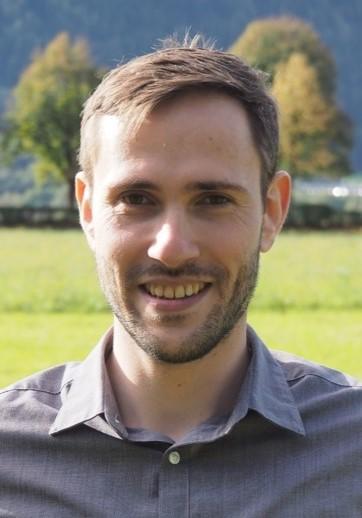
Rudolf Markt, MSc Biomedizinische Analytik

FH-Prof. Priv.Doz. Dr. Astrid H. Paulitsch-Fuchs
Biomedizinische Analytik
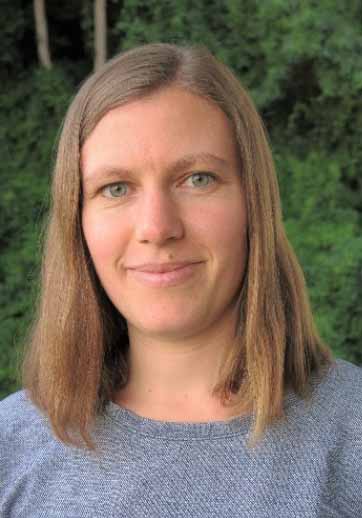
Nina Lackner, PhD
Biomedizinische Analytik

Dott. Mag. Paolo Scariano
Biomedizinische Analytik

Extern: Priv. Doz. Dr. Gernot Zarfel
Mikrobiologie und Umweltmedizin (Meduni Graz)
Projekte / Projects
FEIN – Forschungsinfrastruktur EHaB & ICEB / FEIN – Research Infrastructure for EHaB & ICEB
Das Infrastrukturprojekt FEIN stärkt die Forschungs- und Entwicklungskapazitäten der Forschungsgruppen Environment, Health and Applied Bioanalytics (EHaB) und Institute for Applied Research on Ageing (ICEB) an der FH Kärnten.
Im Rahmen des Projekts wurde eine gemeinsame Forschungsinfrastruktur aufgebaut und erweitert, die moderne bioanalytische, mikrobiologische und molekularbiologische Untersuchungen ermöglicht. Die Infrastruktur schafft die Grundlage für interdisziplinäre Forschungsprojekte an der Schnittstelle von Umwelt, Gesundheit und angewandter Bioanalytik und unterstützt sowohl grundlagenorientierte als auch anwendungsnahe Forschungsfragen.
Ein besonderer Mehrwert von FEIN liegt in der gemeinsamen Nutzung komplementärer Kompetenzen von EHaB und ICEB. Die Infrastruktur ermöglicht die Bearbeitung komplexer biologischer Fragestellungen von der Probenaufbereitung und Kultivierung über molekularbiologische und mikrobiologische Analysen bis hin zur detaillierten bioanalytischen Charakterisierung.
Die im Rahmen von FEIN geschaffene Infrastruktur bildet damit eine wesentliche technologische Basis für aktuelle und zukünftige Forschungsprojekte von EHaB und ICEB sowie für Kooperationen mit wissenschaftlichen und externen Partnern.
The FEIN infrastructure project strengthens the research and development capacities of the Environment, Health and Applied Bioanalytics (EHaB) research group and the Institute for Applied Research on Ageing (ICEB) at Carinthia University of Applied Sciences.
Within the project, a shared research infrastructure was established and expanded to enable advanced bioanalytical, microbiological and molecular biological investigations. The infrastructure provides a technological basis for interdisciplinary research at the interface of environment, health and applied bioanalytics, supporting both fundamental and application-oriented research questions.
A particular strength of FEIN lies in the joint use of the complementary expertise of EHaB and ICEB. The infrastructure enables complex biological questions to be addressed across the analytical workflow, from sample preparation and cultivation to molecular biological and microbiological analyses and detailed bioanalytical characterization.
The infrastructure established through FEIN therefore provides an important technological foundation for current and future research projects of EHaB and ICEB as well as for collaborations with academic and external partners.
ZDrauA – Interreg Österreich–Slowenien / ZDrauA – Interreg Austria–Slovenia
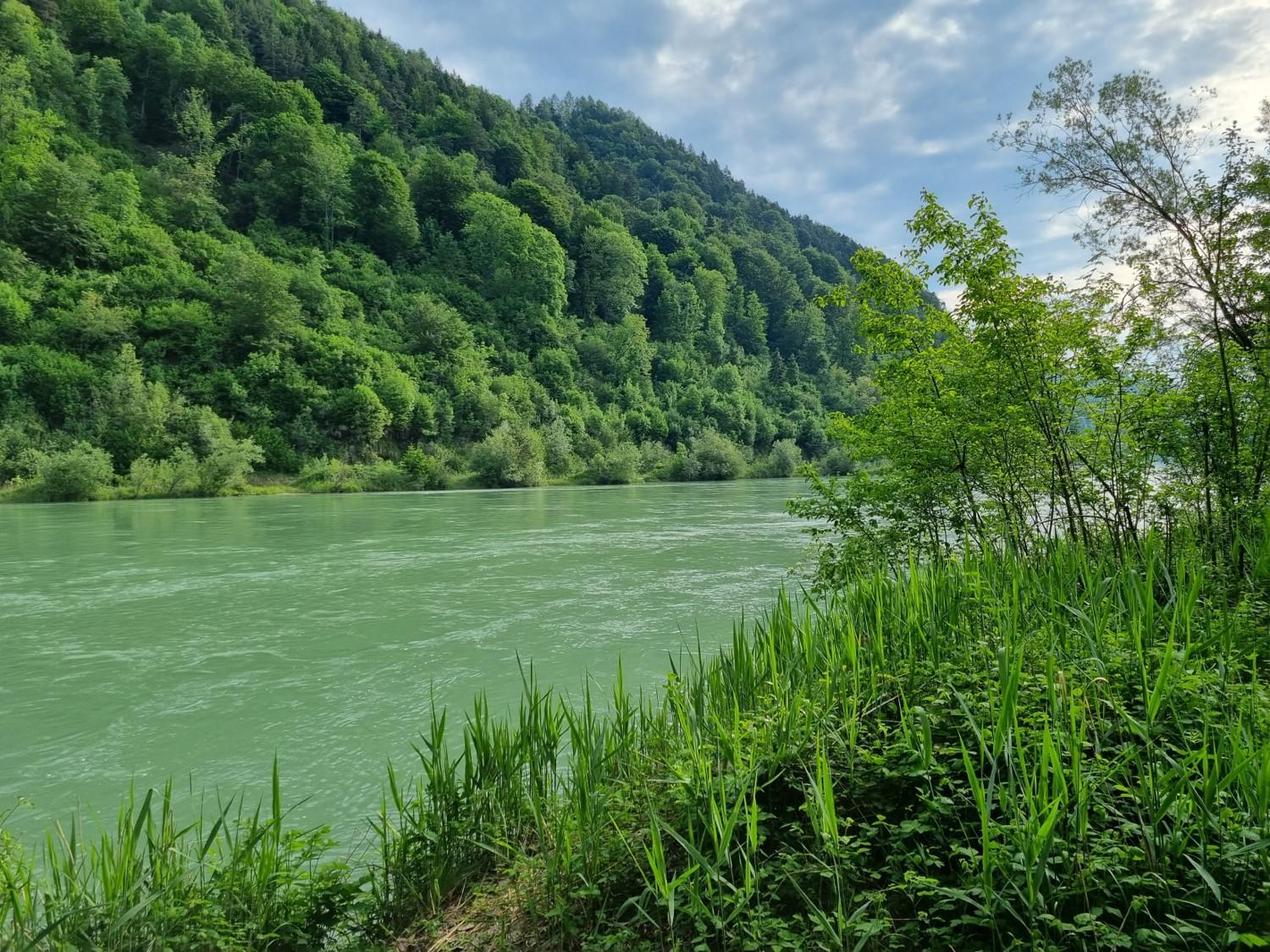
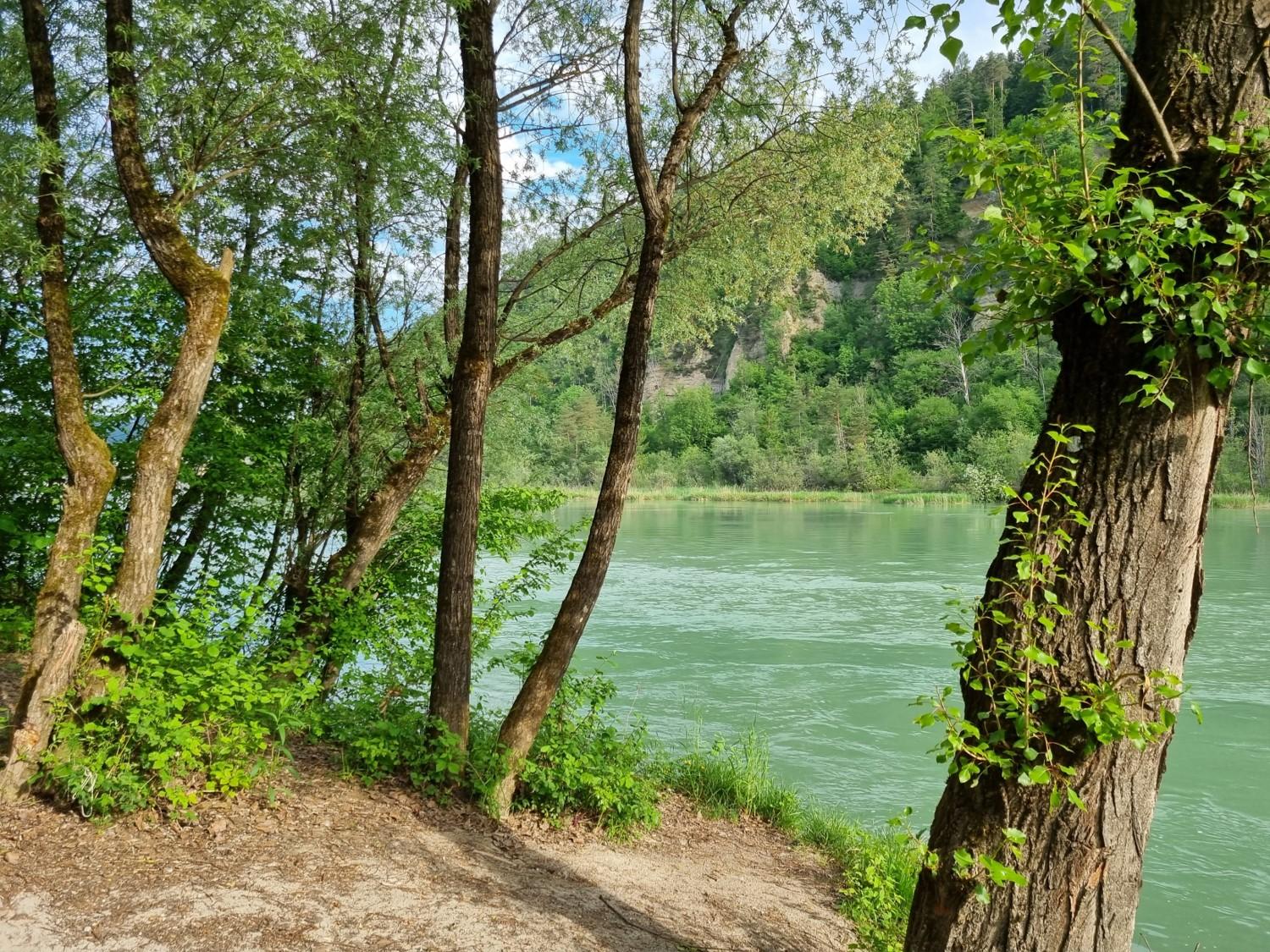
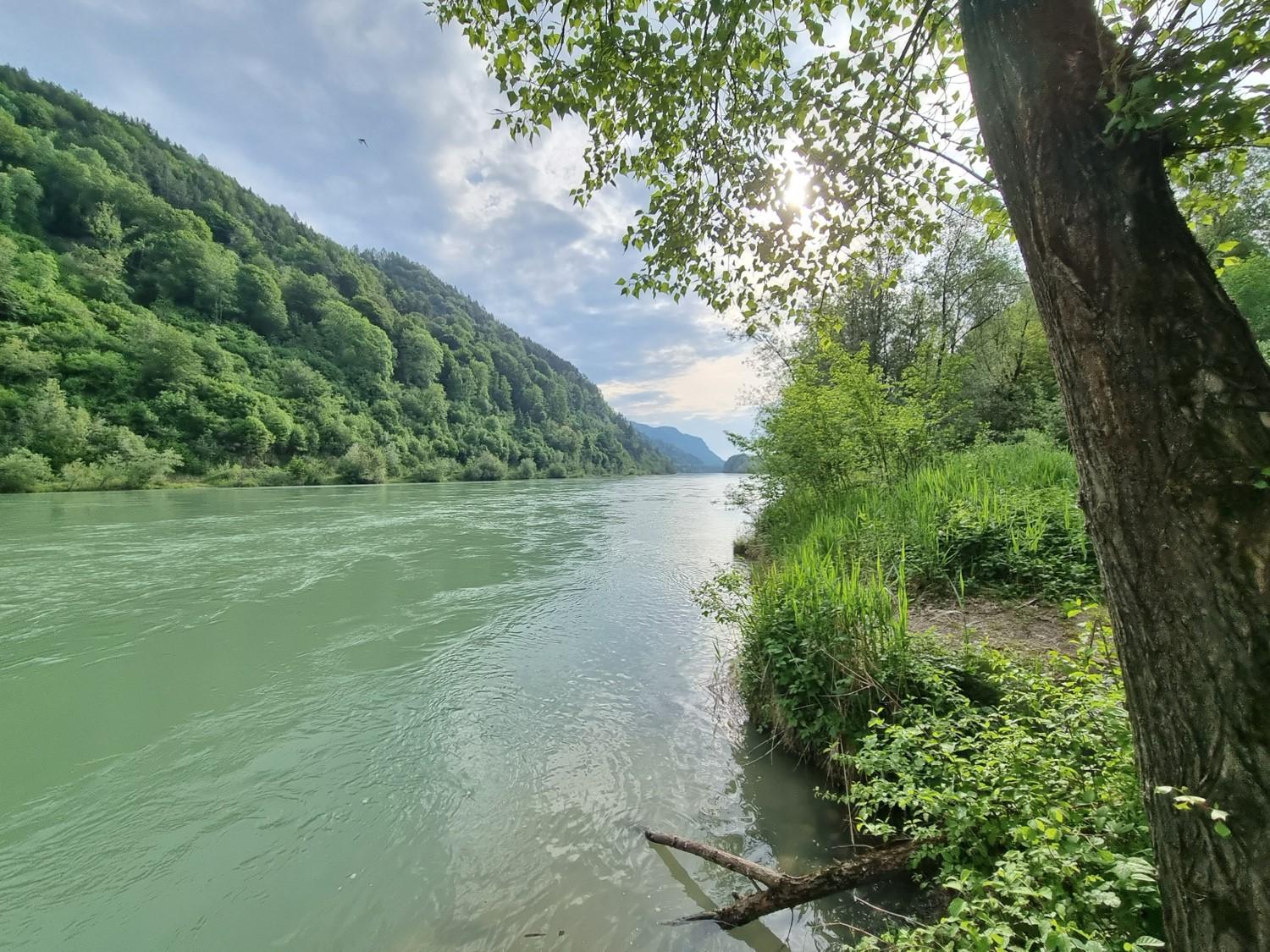
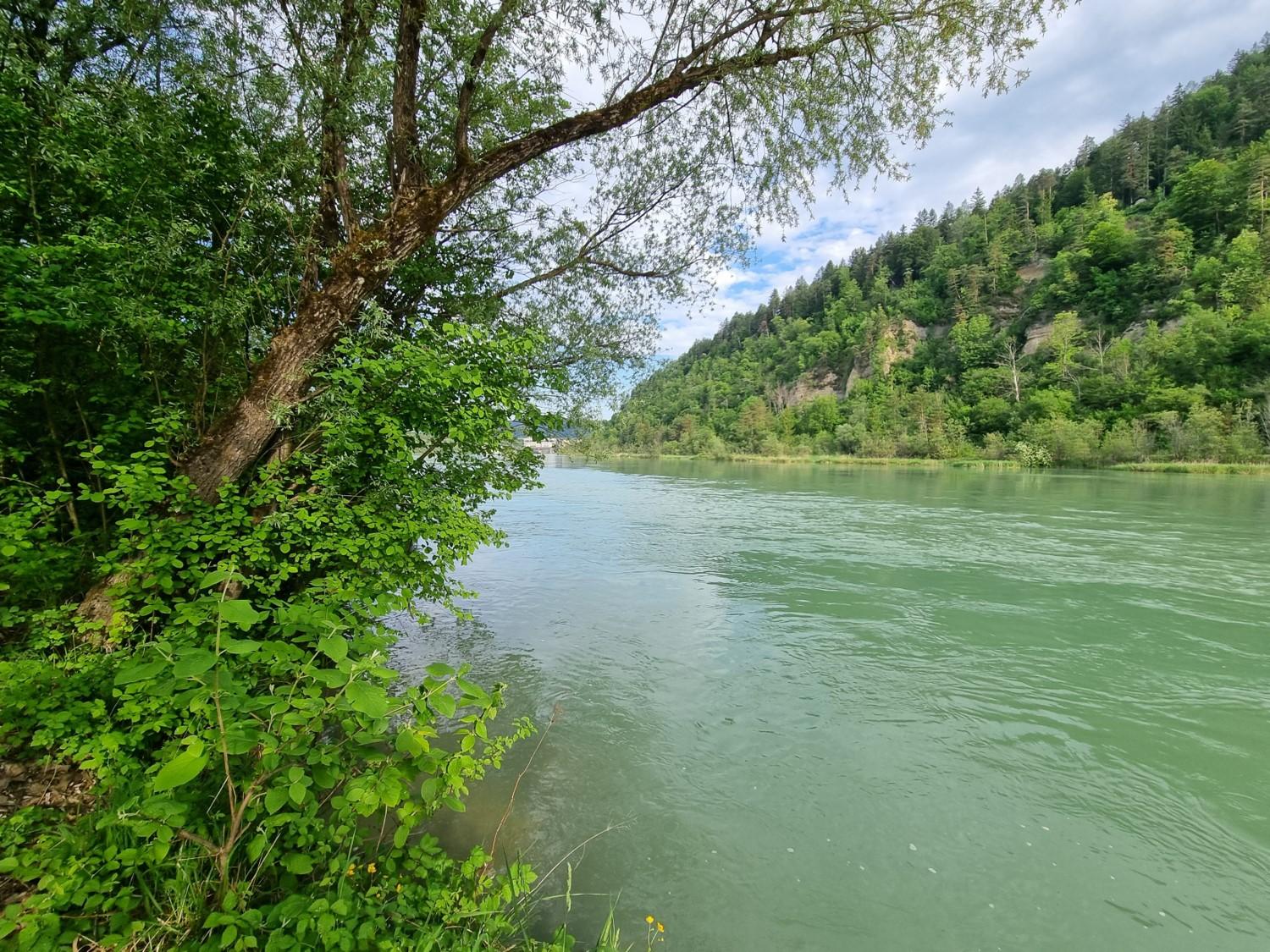
Das grenzüberschreitende Interreg-Projekt ZDrauA widmete sich der Untersuchung und Bewertung der Wasserqualität der Drau in Österreich und Slowenien. Das Projekt wurde in Zusammenarbeit von EHaB und ICEB sowie mit österreichischen und slowenischen Projektpartnern durchgeführt.
Flüsse sind dynamische Ökosysteme, deren biologische und mikrobiologische Qualität durch natürliche Prozesse ebenso wie durch menschliche Aktivitäten beeinflusst wird. Da Flusssysteme keine politischen Grenzen kennen, erfordert ihre nachhaltige Überwachung und Bewertung eine grenzüberschreitende Zusammenarbeit und vergleichbare Untersuchungsmethoden.
Im Rahmen von ZDrauA wurden daher biologische und mikrobiologische Parameter der Drau untersucht und Methoden zur gemeinsamen Bewertung der Wasserqualität weiterentwickelt. Ein Schwerpunkt lag auf der Charakterisierung relevanter Mikroorganismen und der Zusammenführung von Informationen über die biologische und mikrobiologische Situation entlang des Flusssystems.
Ein weiteres wichtiges Ergebnis war der Aufbau einer gemeinsamen Wissens- und Datengrundlage zu Organismen und biologischen Parametern der Drau. Dadurch leistete ZDrauA einen Beitrag zu einem besseren Verständnis des grenzüberschreitenden aquatischen Ökosystems und schuf Grundlagen für zukünftige Monitoring- und Forschungsaktivitäten.
Für EHaB verbindet das Projekt zentrale Forschungsbereiche der Gruppe: Umweltmikrobiologie, Wasserqualität, angewandte Bioanalytik und die Untersuchung der Wechselwirkungen zwischen Umwelt und Gesundheit.
The cross-border Interreg project ZDrauA focused on investigating and assessing the water quality of the Drava River in Austria and Slovenia. The project was carried out jointly by EHaB and ICEB, together with Austrian and Slovenian project partners.
Rivers are dynamic ecosystems whose biological and microbiological quality is influenced by both natural processes and human activities. As river systems do not follow political borders, their sustainable monitoring and assessment require cross-border cooperation and comparable analytical approaches.
Within ZDrauA, biological and microbiological parameters of the Drava River were investigated, and approaches for a joint assessment of water quality were further developed. Particular emphasis was placed on the characterization of relevant microorganisms and on integrating information on the biological and microbiological conditions along the river system.
Another important outcome was the establishment of a shared knowledge and data basis concerning organisms and biological parameters of the Drava River. ZDrauA thus contributed to a better understanding of this cross-border aquatic ecosystem and provided a foundation for future monitoring and research activities.
For EHaB, the project combines several of the group’s central research areas: environmental microbiology, water quality, applied bioanalytics and the investigation of interactions between environment and health.
Publikationen / Publications
Car, A.; Lecnik, J.; Mayr, M.; Markt, R.; Scariano, P.; Zarfel, G.; Kachler, M.; Opari, E.; Paulitsch-Fuchs, A.H. Design of a geodatabase to support GIS-based Wastewater-Based Epidemiology. Poster. GI Salzburg; Salzburg, 2022
Markt, R., Stillebacher, F., Nägele, F., Kammerer, A., Peer, N., Payr, M., Scheffknecht, C., Dria, S., Draxl-Weiskopf, S., Mayr, M., Rauch, W., Kreuzinger, N., Rainer, L., Bachner, F., Zuba, M., Ostermann, H., Lackner, N., Insam, H., & Wagner, A. O. (2023). Expanding the Pathogen Panel in Wastewater Epidemiology to Influenza and Norovirus. Viruses 2023, Vol. 15, Page 263, 15(2), 263. https://doi.org/10.3390/V15020263
Schenk, H., Heidinger, P., Insam, H., Kreuzinger, N., Markt, R., Nägele, F., Oberacher, H., Scheffknecht, C., Steinlechner, M., Vogl, G., Wagner, A. O., & Rauch, W. (2023). Prediction of hospitalisations based on wastewater-based SARS-CoV-2 epidemiology. Science of The Total Environment, 162149. https://doi.org/10.1016/J.SCITOTENV.2023.162149
Kontakt / contact
EnHeGi Forschungsgruppenleiterin
FH-Prof.in Mag.a Dr.in Astrid Paulitsch-Fuchs
Health Sciences and Social Work, Biomedical Science
Senior Lecturer
University of Applied Sciences Carinthia
FH Kärnten
gemeinützige Gesellschaft mbH
St. Veiter Strasse 47
9020 Klagenfurt am Wörthersee
Austria