Nachlese E-Nova 2018
Gebäude und Areale im Fokus, betrachtet die e-nova nachhaltige Technologien aus einem energie- und umweltbezogenen Blickwinkel mit jährlich angepasster Schwerpunktsetzung. Als internationale wissenschaftliche Konferenz konzipiert, richtet sich die e-nova sowohl an die wissenschaftliche Gemeinschaft als auch an berufsfeldorientierte Fachleute. Beiträge beider Gruppen aus dem Bereich der anwendungsbezogenen Forschung und Entwicklung bieten einen Überblick zum Stand der wissenschaftlichen Entwicklung sowie über die Möglichkeiten und den Status der berufspraktischen sowie markttechnischen Umsetzbarkeit.

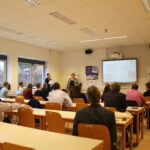
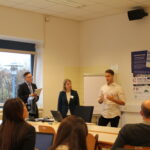
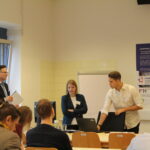
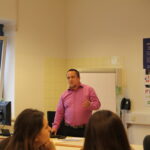
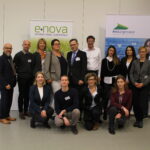
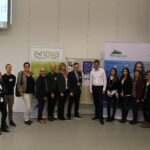
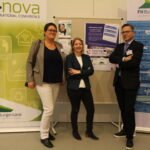
Zum 22. Mal organisierte die FH Burgenland heuer am Forschungs- und Studienzentrum Pinkafeld den internationalen Fachkongress. Am zweiten Tag der Konferenz (Freitag, 23. November) fand zeitgleich das Public Event des COOP4HEALTHCARE Projekts statt. Partner präsentierten erste Ergebnisse und die Grundlagen für die bevorstehende Arbeit des Projekts in der Session 6c „AAL Solutions based on Human Factor“.
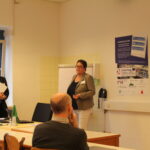
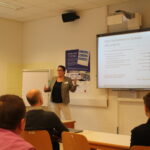
Daniela Krainer, Leitung der Forschungsgruppe AAL, stellte das Konzept des Living Lab Ansatzes vor, hinter dessen Begriff sich mehr als nur eine infrastrukturelle Einrichtung verbirgt. Im Rahmen der kooperativen Forschung wird damit ein multidisziplinären Ansatz bezeichnet, der Methoden, Instrumente, Infrastruktur und Stakeholder umfasst und in dem gegenseitiges Lernen und Austausch, und die Kombination von neuen Technologien mit dem sozialen Umfeld kombiniert werden.
D. Krainer, J. Plattner and S. Lattacher (2018). Spotlight on health: technical solutions and services to promote an independent and autonomous life. Proceedings of the e-nova International Conference, Gebäude der Zukunft? vernetzt – digital – ökosozial. 2018. (pdf)
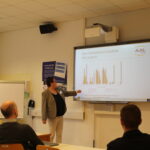
Um praxisnahe AAL-Interventionen zu gewährleisten, präsentierten Michael Mut und Alexandra Weghofer von der FH Burgenland das „AAL-Welten-Modell“. Der Ansatz basiert auf bestehenden Modellen und kombiniert verschiedene Aspekte des täglichen Lebens und verschiedene Eigenschaften der älteren Bevölkerung.
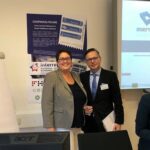
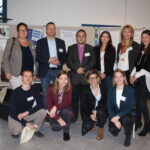
(Bildnachweis: FH Burgenland)
Review E-Nova 2018
Placing the emphasis on a different topic every year, e-nova focuses on buildings and areas and considers sustainable technologies from an energy and environmental perspective. Conceived as an international scientific conference, e-nova is aimed at the scientific community as well as professionally oriented experts. Contributions from both groups in the field of applied research and development provide an overview of the state of scientific development as well as the possibilities and the status of professional and market-oriented implementation.
For the 22nd time, FH Burgenland organized this international congress at the Research and Study Center Pinkafeld. On day 2 of the conference, the COOP4HEALTHCARE public event took place and partners presented initial activities and the basis for upcoming work in the project in Session 6c „AAL Solutions based on Human Factor“.
Daniela Krainer from Carinthia University of Applied Sciences (FH Kärnten) presented the concept of the Living Lab approach which is more than just a facility in the context of cooperative research – it is an multidisciplinary approach comprised of methods, instruments, infrastructure and stakeholders based on mutual learning and exchange, combining new technologies with the social environment.
D. Krainer, J. Plattner and S. Lattacher (2018). Spotlight on health: technical solutions and services to promote an independent and autonomous life. Proceedings of the e-nova International Conference, Gebäude der Zukunft? vernetzt – digital – ökosozial. 2018. (pdf)
To ensure hands-on AAL interventions, Michael Mut and Alexandra Weghofer from FH Burgenland presented the newly invented „AAL-Welten-Model“. The approach is based on existing models and combines different aspects of daily living and several settings of the elderly population.
(photo credits: FH Burgenland)