“Institutions promote age-inclusive lifelong learning for people aged 55 and over by strengthening trusted partnerships, proactively reaching out to the target group, and creating supportive structures in the workplace.”
Lifelong learning is particularly successful when institutions actively reach out to people, build trust, and create supportive conditions. By working closely with established institutions and partners, proactively reaching people aged 55 and over, and creating age-inclusive structures in the workplace, organizations can sustainably promote participation in lifelong learning.
The following section provides a brief yet informative overview of the three key aspects of the institutional perspective. For each guideline, the key message and a short description are summarised to highlight the fundamental principles and practical implications. This compact overview provides readers with a clear understanding of how institutions can strengthen trust, reach target groups more effectively, and support age-inclusive lifelong learning in the workplace.
Collaboration with trusted institutions
Adult education institutes are more trusted and accessible for older people. Collaborations with these organizations, as well as with respected authorities (e.g., police, hospitals), can foster trust and improve outreach.
"Partnering with adult education institutes and civic organizations increases reach."
Implement proactive outreach strategies
Presenting educational opportunities directly to clubs, associations, or community groups enables institutions to connect with target groups and hard-to-reach populations (e.g., people of pre-retirement age or educationally alienated people). This approach supports inclusive learning and community integration.
"Institutions should actively go to where people are."
Create structures in the workplace which enable age-inclusive lifelong learning
Workplaces and employers can play an important role in supporting lifelong learning among employees aged 55 and over. Flexible learning arrangements, access to training opportunities, and recognition of prior experience can help older employees maintain and develop their skills throughout their working lives.
"Workplaces can support lifelong learning and their structures influence learning participation of older employees."
Key Takeaways
Partner with Adult Education Institutes and Civic Organizations
Are collaborations in place to broaden outreach and resources?
Do partnerships include community-based organizations for better engagement?
Bring Learning Opportunities to where People are
Are programmes offered in familiar, accessible locations (e.g., community centres, workplaces)?
Is outreach proactive rather than expecting learners to come to institutions?
Engage Employers as Key Supporters
Are employers encouraged to provide time, funding, or facilities for learning?
Are workplace learning programmes tailored to older employees’ needs?
Download
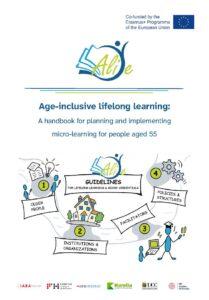
All guidelines presented on this website are also available in our downloadable handbook. Click the picture below to access it.